1720 Milwaukee Ave, Glenview, IL - 60025



Dental bonding is one of the most popular cosmetic procedures we perform here in Glenview. It’s fast, affordable, and effective. But patients often ask Dr. Joseph Akhikar the same important question: how long will my results actually last? Understanding dental bonding results — and why some last 10 years while others don’t in Glenview — comes down to two key factors: the skill of your provider and your daily habits. Let’s break it all down.
What Is Dental Bonding and How Does It Work?
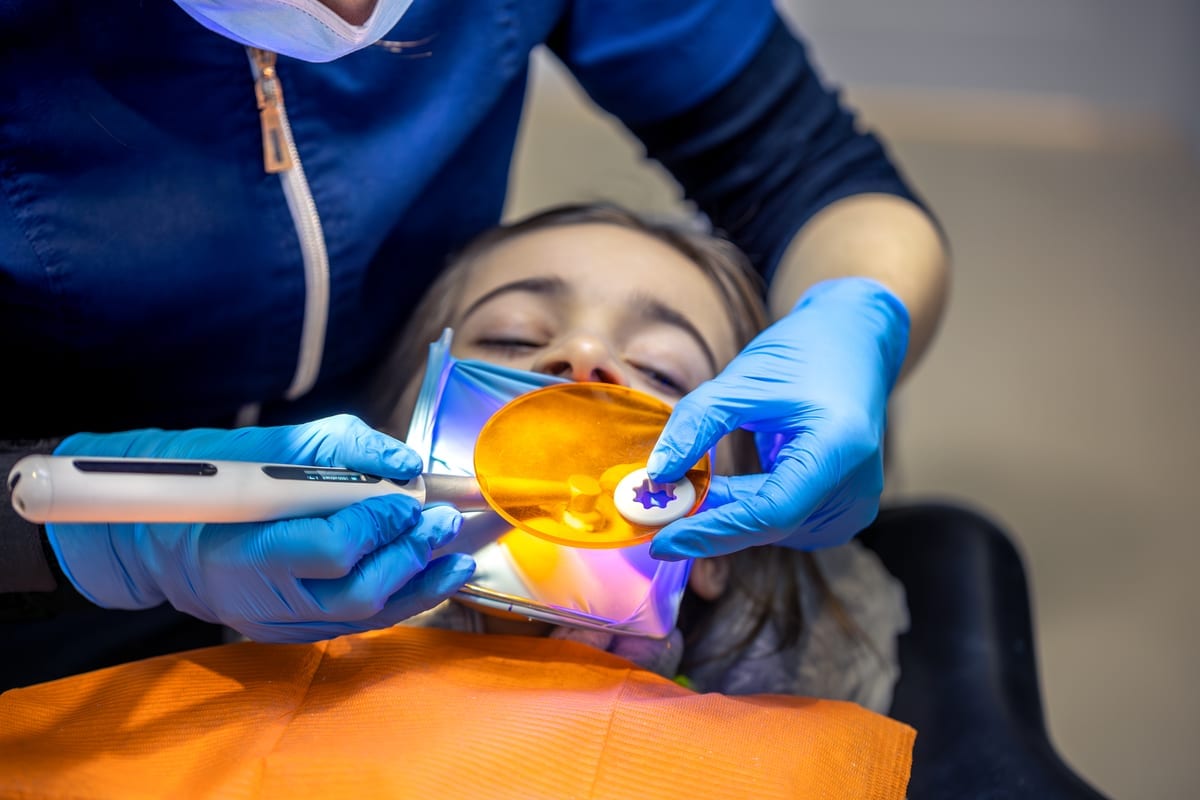
Dental bonding uses a tooth-colored composite resin to repair or improve the appearance of a tooth. Dr. Akhikar applies the resin directly to the tooth surface. He then shapes and polishes it to blend naturally with surrounding teeth.
The procedure typically takes 30 to 60 minutes per tooth. No anesthesia is usually required unless bonding is near a cavity. It’s one of the least invasive cosmetic options available at Glance Dental Glenview.
Bonding can fix chips, cracks, gaps, and discoloration. It can also reshape teeth that look too short or uneven. Many Glenview patients choose it as a first step before exploring other cosmetic options.
Why Dental Bonding Results Vary So Much in Glenview Patients
Not every bonding result lasts the same amount of time. Some patients return after three years needing repairs. Others come back a decade later with bonding still intact. The difference usually comes down to patient behavior and oral environment.
Composite resin is durable but not indestructible. It responds to the same forces that wear down natural enamel. Biting habits, diet choices, and oral hygiene all play a role.
Here are the most common reasons bonding wears out prematurely:
- Biting nails or chewing on pens and pencils
- Grinding or clenching teeth at night (bruxism)
- Eating hard or crunchy foods frequently
- Drinking staining beverages like coffee, tea, and red wine daily
- Skipping regular dental cleanings and checkups
- Using teeth as tools to open packages or bottles
Patients who avoid these habits consistently report far longer-lasting results. The bonding material itself hasn’t changed — but the environment it lives in makes all the difference.
Patient Habits That Most Affect Dental Bonding Durability
Your daily routine is the single biggest factor in how long your bonding lasts. Dr. Akhikar always walks patients through protective habits at their post-treatment appointment. This guidance makes a measurable difference in longevity.
Teeth grinding is one of the most damaging forces for bonded teeth. Patients with bruxism should ask about a custom nightguard. Wearing one regularly can significantly extend the life of bonding.
Diet choices matter just as much. Biting into hard foods like ice, hard candy, or crusty bread puts stress on bonded surfaces. Cutting food into smaller pieces reduces that pressure considerably.
Staining is also a real concern. Composite resin is more porous than porcelain. It can absorb pigments from foods and beverages over time. Rinsing with water after staining drinks helps slow discoloration.
Here are habits that protect your bonding and extend its lifespan:
- Brush twice daily with a soft-bristled toothbrush
- Floss once daily to remove plaque around bonded edges
- Visit Glance Dental every six months for professional cleaning
- Wear a nightguard if you grind your teeth during sleep
- Avoid biting directly into very hard or crunchy foods
- Limit coffee, tea, and dark juices when possible
Patients who follow these habits consistently often see bonding last eight to ten years or more. Those who don’t may find themselves back in the chair within three to five years.
How Bonding Compares to Other Cosmetic Options for Longevity
Dental bonding is not the only cosmetic solution available at Glance Dental Glenview. Comparing it to other treatments helps patients choose the right fit for their lifestyle.
Porcelain veneers typically last 10 to 15 years or longer. They resist staining better than composite resin. However, they require removing a thin layer of enamel and cost significantly more.
Dental crowns, when indicated, last 15 years or more on average. They cover the entire tooth and offer maximum protection. Crowns are better suited for teeth with significant damage or structural weakness.
Invisalign addresses alignment issues rather than surface appearance. Straighter teeth are actually easier to clean and maintain. Correcting alignment can reduce wear on bonded surfaces over time.
Bonding remains the most accessible and reversible option. It’s ideal for patients who want quick cosmetic improvements with minimal commitment. Understanding the tradeoff between longevity and cost helps patients make informed decisions.
When to Repair or Replace Your Dental Bonding in Glenview
Bonding doesn’t always fail all at once. More often, it shows gradual signs of wear. Knowing when to act prevents small issues from becoming larger problems.
Watch for these signs that your bonding may need attention:
- Visible chips or cracks in the bonded area
- Rough edges that catch your tongue or feel sharp
- Noticeable yellowing or discoloration that won’t polish away
- A gap appearing between the bonding and the natural tooth
- Sensitivity around the bonded tooth that wasn’t there before
If you notice any of these signs, schedule an appointment promptly. Dr. Akhikar can assess whether a repair or full replacement is the right move. Early intervention almost always saves time and money.
Repairs are often simple when caught early. The original bonding can sometimes be lightly etched and built back up. Full replacement takes about the same time as the original procedure.
It’s also worth noting that cosmetic bonding is separate from restorative procedures. If decay develops near a bonded area, treatment may involve more than just replacing resin. Regular checkups at Glance Dental ensure nothing goes undetected.
Conclusion: Protecting Your Investment in Your Smile
Dental bonding results in Glenview can absolutely last a decade — but only when patients understand what affects longevity. The procedure itself is predictable and proven. What varies is the care taken afterward.
Dr. Joseph Akhikar and the team at Glance Dental Glenview are committed to helping you get the most from every cosmetic treatment. We educate every patient on the habits that protect their results. Longevity starts with the right information and the right provider.
If you’re considering bonding or wondering whether your existing bonding needs attention, we’re here to help. Book Now to schedule your appointment with our team.
Frequently Asked Questions
How long does dental bonding typically last?
Dental bonding can last anywhere from 3 to 10 years depending on patient habits and the location of the bonding on the tooth. Front teeth used for biting may show wear sooner than bonding placed on side teeth. Following a good oral hygiene routine and avoiding damaging habits extends lifespan significantly.
Does dental bonding stain over time?
Yes, composite resin is more prone to staining than natural enamel or porcelain. Beverages like coffee, tea, and red wine can gradually discolor bonded teeth. Rinsing with water after consuming staining foods and scheduling regular cleanings helps manage discoloration effectively.
Can dental bonding be repaired if it chips?
In many cases, yes. Small chips or cracks in bonding can often be repaired without replacing the entire restoration. Dr. Akhikar will assess the extent of the damage and recommend either a touch-up or a full replacement based on what he finds.
Is dental bonding a good long-term cosmetic solution?
Bonding is an excellent entry-level cosmetic solution for many patients. It’s fast, affordable, and minimally invasive. Patients who want longer-lasting results with less maintenance may eventually consider porcelain veneers or crowns, which Dr. Akhikar can discuss during a consultation at Glance Dental Glenview.
What should I avoid after getting dental bonding?
Avoid biting into hard foods like ice or hard candy immediately after treatment. Limit staining beverages in the days following your procedure. Long-term, protecting bonding means avoiding nail biting, using teeth as tools, and getting a nightguard if you grind your teeth while sleeping.