1720 Milwaukee Ave, Glenview, IL - 60025


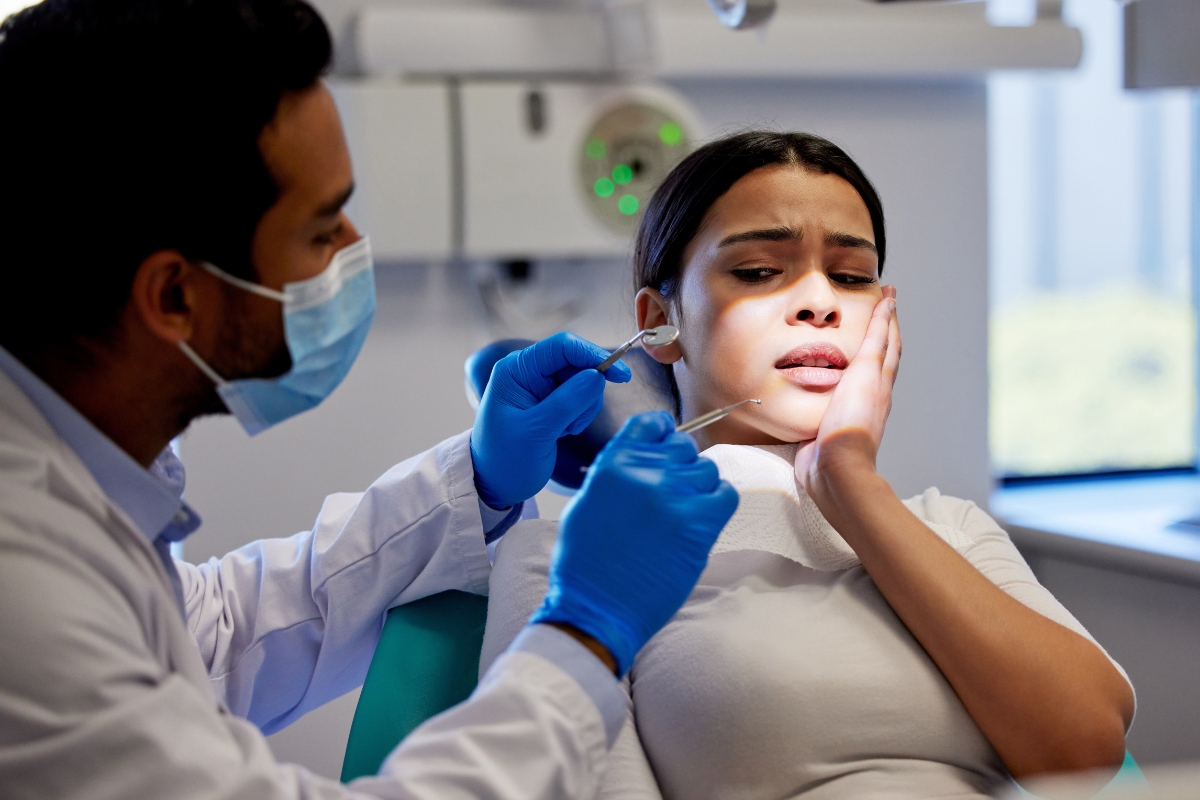
A cracked tooth can turn a normally good day into a rather stressful one, as you worry about the damage it could do to your smile and the associated pain. Whether the tooth has been fractured due to an accident, biting down hard, or simple wear and tear, it needs prompt attention.
It is very easy to panic when you find your tooth has been cracked; however, there are some steps you can take to minimize the damage and pain until you can be seen by your emergency dentist in Glenview, IL. In this post, you will learn exactly what you can do to feel more comfortable and to get the best possible results once you have been to a dentist.
What to Do After a Cracked Tooth
It is an alarming and potentially painful experience to find that you have cracked your tooth. However, there are some very important immediate steps you should take. Taking action may minimize further damage and relieve some of the pain until your dental appointment.
1. Rinse With Warm Water
In order to prevent infection or further damage to the cracked tooth, the first thing you should do after it has been cracked is to rinse your mouth out with warm water. This should clean any food bits out of the crack and relieve pain by reducing sensitivity. Do not use hot or cold water, as the contrast can be very painful.
If the tooth and the gums are bleeding, be gentle when you rinse and try not to swirl water vigorously, as you do not want to aggravate the injury. Apply pressure to the wound with a clean cloth or piece of gauze if the bleeding continues, but not directly to the tooth, as this is unlikely to do much good.
2. Do Not Chew or Drink on the Affected Side
Chewing and drinking can exacerbate the cracked tooth’s injury and make it more painful. Until you see an emergency dentist in Glenview, IL, try to avoid eating and drinking with this side of your mouth. Stick to soft foods and liquids that won’t cause you too much pain. Definitely avoid any drinks or foods that are hot, cold, or crunchy.
3. Apply a Cold Compress to Your Cheek
To treat swelling and pain in the face around the cracked tooth, you should apply an ice pack or cold compress to the affected side of your face. Apply the compress to the outer side of your cheek. The cold should ease the pain, numbing the area and reducing swelling, temporarily alleviating the pain until you can see your dentist.
Ensure you only leave the ice pack or cold compress on for 15 minutes at a time, then remove it for at least another 15 minutes before reapplying it to prevent cold burns on your skin.
4. Protect the Tooth With a Temporary Filling
If your tooth hurts, you may be able to use a temporary filling to cover the crack and help protect it from food, air, or liquids. Temporary filling materials are available over the counter at most drugstores and can be used to reduce tooth sensitivity. You also have the option to use sugar-free gum or dental wax as a temporary alternative if you do not have a temporary filling, as either will protect your tooth from further damage until you can see your dentist.
5. Avoid Using Painkillers Like Aspirin Directly on the Tooth
It may seem tempting to try to ease the pain of a cracked tooth by directly applying pain relievers, such as aspirin, to the affected tooth, but this is not effective and will burn the tissues in your mouth, and can make your condition worse. Instead, use over-the-counter pain relievers such as ibuprofen or acetaminophen as directed, as these will reduce pain and swelling without making it worse. If you are unsure which type of pain reliever is appropriate, speak with your dentist or physician before using them.
When to Seek Immediate Care for a Cracked Tooth
While in many cases a cracked tooth can be treated at home, in certain situations, it is advisable to visit your emergency dentist as soon as possible:
- Severe Pain: The pain associated with the cracked tooth is severe or does not improve even with pain relievers. The damage may have penetrated deeper into the tooth than initially assumed, warranting emergency attention.
- Swelling or Infection: You notice swelling around the affected tooth, or there is pus visible around the area, or you are having a fever. This is a definite sign of an infection that needs to be addressed immediately to prevent further spread and maintain oral health.
- Difficulty Chewing or Swallowing: It is painful or difficult to chew or swallow properly. Chewing can cause further damage to the tooth, and difficulty swallowing is a sign of potential further issues.
- Sharp, Sensitivity to Temperature: The tooth feels incredibly sensitive when exposed to extreme temperatures, hot or cold, for more than a few seconds at a time.
- Visible Fragments of the Tooth: There are visible fragments of your tooth missing, or the tooth has split. This should also be addressed immediately by the emergency dentist.
If any of the above apply to your case, do not hesitate to make an appointment with your emergency dentist immediately.
Taking Control of Your Dental Health
Cracked teeth can be overwhelming, but a cracked tooth does not mean your tooth is beyond help. Following the tips above, including rinsing, using a cold compress, or a temporary filling, can help prevent further damage to your tooth until you can receive treatment from your emergency dentist in Glenview, IL.
Glance Dental is equipped to handle your cracked-tooth emergency, so contact us today to book your appointment. A timely diagnosis and treatment from a qualified dentist will ensure your tooth is repaired effectively and that the situation does not cause additional problems.
Questions People Ask About Cracked Tooth Recovery
1. What causes a tooth to crack?
Tooth cracks can be caused by a variety of factors, including trauma, biting down on hard objects, teeth grinding, or even aging. Stress on the tooth over time can also lead to cracks.
Can a cracked tooth heal on its own?
While minor cracks may not require immediate attention, most cracked teeth will not heal on their own. Professional dental care is essential to prevent further damage and complications.
3. How long can I wait to see a dentist if my tooth is cracked?
If you have a cracked tooth, it’s important to see a dentist as soon as possible, ideally within 24 to 48 hours. Delaying treatment can lead to further damage and increased pain.
4. Will a cracked tooth hurt all the time?
Not all cracked teeth cause constant pain. Some cracks may be asymptomatic, while others can cause sensitivity to temperature or pressure. It’s important to monitor your symptoms and seek care if necessary.
5. Can I still eat with a cracked tooth?
It’s best to avoid eating on the side of the cracked tooth to prevent further damage. Soft foods are recommended, but anything too hot, cold, or hard can trigger pain or worsen the crack.
6. What should I do if I can’t get an appointment right away?
If you can’t see your dentist immediately, try to manage pain with over-the-counter pain relievers, use a cold compress to reduce swelling, and avoid putting pressure on the cracked tooth until you can get professional help.