1720 Milwaukee Ave, Glenview, IL - 60025


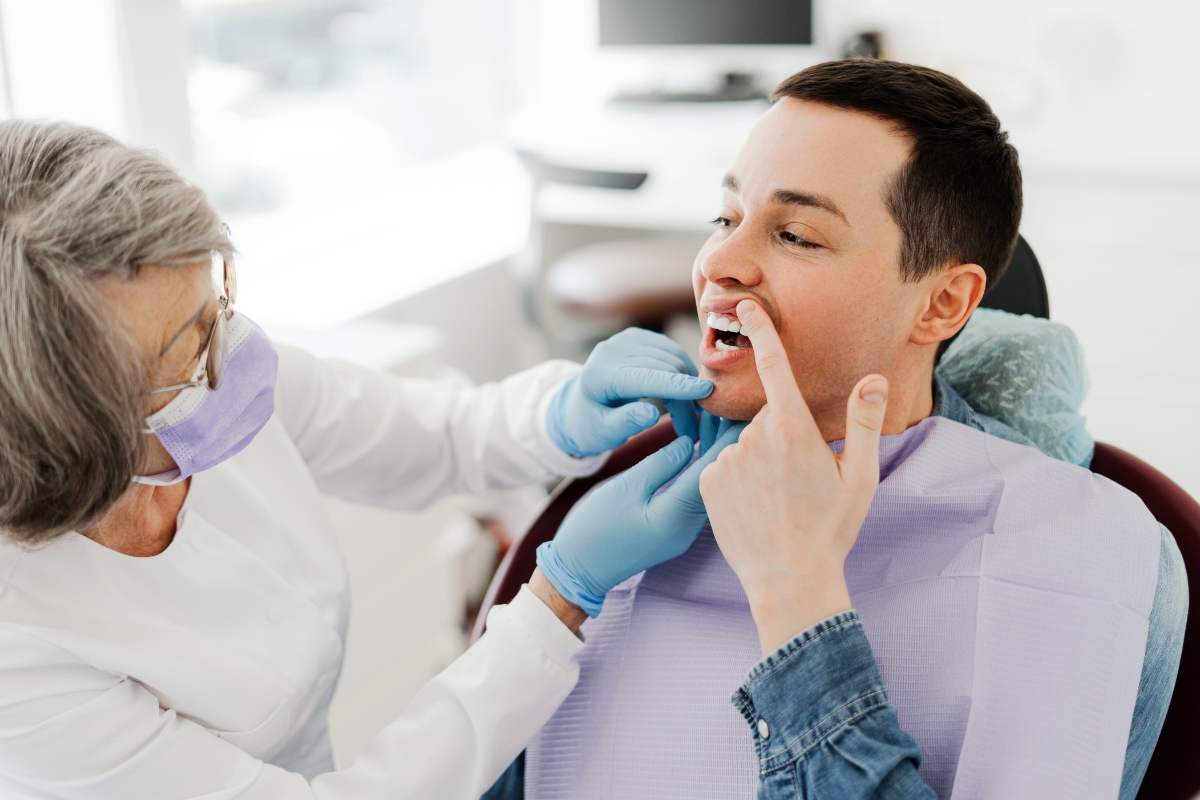
The very first dental visit can inspire a whole range of thoughts: what is involved in the appointment, how long will it last, and will there be any unexpected developments? This is perfectly normal if you are relatively new to regular dental checkups, or if some time has passed since your last.
Your first dental exam will not just be about a quick inspection of your teeth, but will consist of a systematic examination of the structures that maintain their position and oral well-being. Knowing what to expect can alleviate concerns.
What Happens On Your First Dental Exam?
Your initial dental appointment is designed to establish a benchmark of your current oral health, identify potential problems, and plan your future course of treatment. Establishing a baseline can provide a more comforting treatment during your visit.
Your initial dental examination is important because it serves as the basis for future care and helps the dentist understand your current oral condition and any concerns you may have. In the busy lifestyle of Glenview, with full work schedules, school activities for your children, and leisure time at places like The Glen Town Center or Gallery Park, prevention plays an important role.
If you have recently moved to the area and need help with your dental health, visiting a dentist in Glenview will give you confidence that you are being looked after to a high standard. A detailed examination of your oral health will ensure you can address any issues before they disrupt your life.
Step 1: The Greeting & Medical History
Your dental journey begins with a greeting at the practice’s front desk and an appointment to complete or update your health history information. This part of the exam may not seem important; however, it can significantly affect the care you receive. Your dentist will want to know about the following:
- Your current and previous medications and supplements.
- If you have been diagnosed with any chronic diseases that may affect your oral health, such as heart disease or diabetes.
- Any previous dental work and subsequent surgeries performed.
- Any personal habits like teeth grinding or consumption of sugary foods, and if you use tobacco.
Having a thorough understanding of your health history will allow your dentist to care for you safely and responsibly. They will also recommend treatment suited to your overall health profile.
Step 2: Have An Open Conversation About Your Concerns
This meeting takes place before any clinical treatment occurs. This is the time to openly share any questions or concerns you have with your dentist.
Discuss each and every issue you are facing with the dentist, such as:
- Temperature sensitivity with hot and cold food/drink.
- Bleeding during tooth brushing.
- Previous dental procedures you may have had.
- Desired outcome, for example, a straighter smile.
This allows your dentist to concentrate on what’s most important to you and build an agenda so nothing important is missed.
Step 3: Digital X-Rays
Digital x-rays will be used to provide a clearer view beneath the tooth surfaces where the eye cannot see. Images will identify things such as:
- Cavities between the teeth.
- Bone levels around your teeth.
- Wisdom teeth are becoming impacted or infected.
- Early symptoms of deterioration or decay.
This is a fast, hassle-free process. These images serve as a baseline against which changes over time can be charted.
Step 4: A Complete Oral Examination
The core of your visit consists of your dentist conducting a thorough examination of your entire mouth, not just your teeth. You will have the following examination:
- Each tooth will be examined for cavities, cracks, or decay.
- Your gum health will be examined, with measurements of the pockets around each tooth.
- Your bite will be investigated.
- You will be checked for any abnormalities.
Your mouth will also be checked for the possibility of oral cancer through examining the soft tissue around your mouth (including tongue, cheeks, and back of the throat).
Step 5: Professional Cleaning And Plaque Removal
In many cases, your visit includes a cleaning performed by a hygienist. This step removes buildup that regular brushing cannot fully address.
During cleaning:
- Plaque and tartar are gently removed.
- Teeth are polished to reduce surface stains.
- Flossing ensures debris is cleared between teeth.
If your gums need additional care, the dentist may suggest a different type of cleaning plan. This is discussed clearly so you understand what is recommended and why.
Step 6: Review of Findings and Next Steps
At the conclusion of your appointment, your dentist will review everything with you. This is crucial in a dental visit, as it converts information into action.
You will learn:
- Your current oral health condition.
- Any problem areas that may be of concern?
- Prevention strategies to keep your smile bright.
- Recommended treatments, should they be necessary.
The emphasis will continue to be on clear communication, and you will leave your dental exam understanding what you need to do to stay healthy.
Tips for a Successful First Visit
Preparing your visit in advance can make it more effective and less overwhelming. Here are a few tips on how to prepare for your first dental exam:
- Make sure to bring a list of any medications you are taking and any conditions you have.
- List any symptoms or changes in your oral health that you may have noticed.
- Arrive a few minutes early to fill out your paperwork.
- Brush and floss prior to your exam for easier examination.
The easier your dentist can focus on the care that you need, the less they will have to take to determine where your health stands.
Duration of the First Visit
A dental exam during your first visit typically takes an hour to 1.5 hours, depending on your oral health needs. You can expect a consultation, imaging, a thorough examination, and a cleaning if you are having one. Time will be maximized, but all will be given appropriate attention to ensure it’s done thoroughly.
Signs You Should Not Delay Your First Exam
There are many dental symptoms that may seem minor at first but can develop into more serious problems over time. By noticing and attending to any of these symptoms, you can effectively prevent greater problems and improve your overall oral health and function:
- Continuous tooth pain or sensitivity to temperature: Persistent discomfort, sensitivity to food temperatures, or sharp sensitivity may indicate an issue that will only worsen if left unaddressed.
- Bleeding and swollen gums: The first sign of gum disease is often these. This condition only worsens with time and is important to address immediately.
- Persistent bad breath: Bad breath that doesn’t go away even after thorough brushing and flossing can signal bacteria deep within the gumline or an infection.
- Discomfort or pain when chewing: Pain that occurs only during eating, or discomfort when moving your jaw, is often linked to bite problems or structural issues in the mouth that require dental attention.
If you notice any of these symptoms, it is important to schedule your dental exam immediately.
Ready to Take the First Step Towards a Healthier Smile
Your first dental examination is a significant part of your journey to maintaining good oral health and developing a personalized treatment plan that suits your individual needs.
At Glance Dental, we aim to make every patient’s treatment comfortable, clear, and attentive. So if you’ve been putting off that first check-up, now is the perfect opportunity to schedule it. Call us today to book your visit and move forward with confidence in your smile.
Questions People Ask About Dental Exams
1. What should I bring to my first dental appointment?
Bring your ID, insurance details if applicable, and a list of medications. It also helps to note any dental concerns or symptoms. Sharing accurate information allows the dentist to understand your health history and provide safe, personalized care during your visit.
2. Will my first visit include a cleaning?
In many cases, yes, but it depends on your oral health condition. If your gums require special attention, the dentist may recommend a different cleaning plan. This ensures your teeth and gums receive the most appropriate care based on your current needs.
3. Are dental X-rays necessary during the first visit?
X-rays are often recommended to detect issues not visible during a standard exam. They help identify cavities, bone levels, and hidden concerns. However, the dentist will decide based on your history and condition, ensuring only necessary imaging is performed.
4. How often should I schedule dental exams?
Most people benefit from visiting every six months. However, your dentist may suggest a different schedule depending on your oral health. Regular visits help detect issues early and maintain healthy teeth and gums over time.
5. What if I feel nervous about my first dental exam?
Feeling nervous is common, especially if it has been a long time since your last visit. Sharing your concerns with the dental team can help. They can adjust the pace, explain each step, and create a more comfortable and reassuring treatment journey.
6. Can I discuss cosmetic concerns during my first visit?
Yes, your first appointment is a good time to discuss any concerns about your smile. Whether it is discoloration, alignment, or wear, the dentist can evaluate your condition and suggest suitable options to help you achieve your desired results.