1720 Milwaukee Ave, Glenview, IL - 60025



Your appearance and confidence can be enhanced by having a bright, healthy smile. For many individuals, minor gaps in the teeth have become an aesthetic concern, making them uncomfortable when a gap appears, whether in the front teeth or elsewhere in their smile. Dental bonding may be an ideal remedy for small tooth gaps, but is it the perfect solution?
With all the technological advances, cosmetic dentistry now offers natural-looking alternatives for cosmetic dental problems. One of the best methods is composite bonding, which uses a tooth-colored composite resin to correct various aesthetic flaws in the teeth, including chips, cracks, and gaps. It is a less invasive procedure that is quick and helps to improve your smile. If you are interested in correcting those annoying gaps between your teeth, read on to find out how it could help you in your pursuit of a perfect smile.
How Does Dental Bonding Work?
The composite bonding procedure involves using an advanced tooth-colored composite resin. The composite resin is sculpted to fill the spaces between teeth, giving the teeth a smooth, even look.
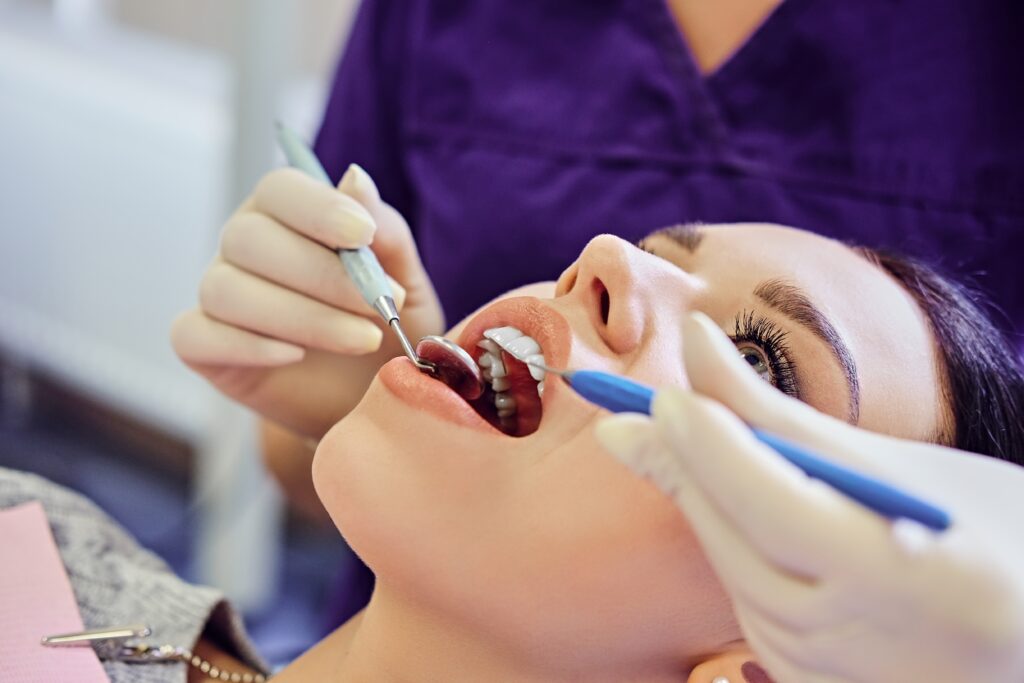
This cosmetic procedure is an ideal and economical method for correcting small gaps between teeth that do not require major dental procedures such as veneers or crowns. The dentist will apply it to the surfaces of your teeth after lightly etching the enamel. A bond will thus form between the teeth and the resin, which will then be sculpted into position and hardened using a special light.
Why Opt for Composite Bonding?
Bonding is often an ideal option for individuals who wish to fill small gaps in their teeth. Below are the most commonly found reasons:
- Speed of Treatment: As it is often performed in a single visit, dental bonding in Glenview is ideal for those with busy schedules.
- Minimal Disruption: There is minimal reshaping and no grinding of the tooth required as the natural tooth structure is essentially left undisturbed.
- Affordability: Bonding is often more affordable than many other dental treatments, making it an ideal choice for those on a tighter budget.
- Natural Look: The bonding material comes in a range of shades so it can be color-matched to suit existing teeth.
- Longevity: Bonding does not last as long as more advanced techniques, such as veneers or crowns; however, it can provide a great solution lasting for several years with good oral hygiene.
When Is Dental Bonding the Right Choice?
Bonding is suitable for a number of cosmetic dental concerns, particularly small gaps between the teeth. If you have an unusual gap between your teeth that does not compromise function and is purely aesthetic, bonding may be a quick and effective solution. However, it may not be best for large gaps that require more substantial restorative work.
If you are in Glenview and would like to know which options are best for you, feel free to schedule a consultation with a cosmetic dentist who can assess the size of any gaps, evaluate your existing teeth, and decide which treatment method would best suit you.
How to Care for Your Bonded Teeth
Taking care of your bonded teeth is important to ensure that they continue to look great and last as long as possible. While bonding is a long-lasting solution for a range of imperfections, maintaining the bond and its pristine appearance can be relatively simple.
- Maintain a Daily Oral Hygiene Routine: Brush at least twice a day and floss at least once. This will keep your bonding and remaining teeth free of plaque and debris, thus preventing decay or damage.
- Refrain From Using The Bonding To Cut Things: Avoid using your teeth to cut open packets or for any other tasks they are not designed to do, such as cutting through foodstuffs like boiled carrots, which will then be removed from the mouth for chewing rather than continued chewing. This will help prevent chipping.
- Avoid Chewing On Very Hard Things: Try to avoid eating hard candy and keep from chewing on things like pens or ice. The bonding could be weakened or chipped and may break or chip.
- Don’t Bite Your Fingernails: Nails should not be used as chewing instruments, as chewing them can weaken teeth and possibly put undue pressure on teeth with bonded work.
- Watch For Staining Substances: Coffee, tea, tobacco, and some foods can stain bonding over time, though most bonding materials are very resistant. However, limiting intake of staining foods is a sensible course to ensure that the bonding continues to blend perfectly.
- Attend Routine Dental Appointments: Regular dental checkups are important for maintaining the bonding and allowing your dentist to identify any early problems with the material.
When Should I Visit My Cosmetic Dentist?
Choosing teeth bonding for your smile may not be difficult, but if you need assistance, then you should seek advice from a cosmetic dentist. A dentist will review your dental condition and tell you whether bonding is right for you.
- You have small gaps between your teeth: Bonding is an effective treatment for minor gaps. If you are bothered by gaps and would like a quick way to improve your dental health, you should consider bonding.
- You are interested in aesthetic improvements: If you would like to make your smile more attractive without undergoing surgery, bonding can provide a quick, non-permanent fix for minor tooth issues.
- You are unsure which procedure to choose: If you’re not sure whether to choose teeth bonding or another treatment, ask your cosmetic dentist. A dentist can tell you which treatment is most appropriate for your situation.
- You require a personalized dental treatment plan: Every smile is different, so ask your cosmetic dentist what treatment is best suited to your individual situation and your ideal smile. You can achieve it with bonding treatment.
Achieve Your Perfect Smile with Dental Bonding
If you’re ready for an aesthetic improvement and have small gaps between your teeth, dental bonding in Glenview may be for you. This form of treatment is inexpensive, quick, and delivers fantastic results that can last for many years.
At Glance Dental, we are here to improve the appearance of your smile with composite bonding procedures. Give us a call to book an appointment and discuss whether dental bonding is the right option for you. Our team is ready to guide you through every step of the procedure.
Questions People Ask About Dental Bonding
How long does dental bonding last?
Dental bonding typically lasts between 3 and 10 years, depending on factors like oral hygiene and lifestyle habits. Proper care, such as avoiding hard foods and regular dental check-ups, can help extend the lifespan of the bonding.
Is dental bonding a painful procedure?
Dental bonding is generally painless and doesn’t require anesthesia unless a small amount of tooth structure needs to be removed. Patients usually experience only mild discomfort during the procedure, making it a non-invasive and stress-free option.
Can dental bonding fix large gaps in teeth?
Dental bonding works best for small to medium-sized gaps. For larger gaps, other cosmetic options, such as veneers or crowns, may offer a more lasting solution, ensuring your smile looks both natural and structurally sound.
How does dental bonding compare to veneers?
While veneers offer more durability and a longer lifespan, dental bonding is a quicker, less invasive, and more affordable solution. Bonding is ideal for minor cosmetic fixes, but veneers may be better for more extensive treatments.
Will dental bonding stain over time?
Although dental bonding is resistant to stains, it can discolor over time, especially with habits like smoking or drinking coffee. Good oral hygiene practices, along with avoiding stain-causing foods, can help preserve the appearance of bonding.
Can dental bonding be repaired if it chips or breaks?
Yes, if dental bonding chips or breaks, it can be easily repaired. Your dentist can apply more resin to fix any damage, making dental bonding a flexible and low-maintenance option for minor dental imperfections.