1720 Milwaukee Ave, Glenview, IL - 60025


Dental Fillings for Kids & Adults
Dental fillings are a treatment option to help restore the function and appearance of a tooth that is damaged or decayed. Dental fillings are most commonly used to treat a cavity. Having a tooth “filled” is a very common procedure and can be completed in one appointment at the office.
Types of Fillings
Currently, there are two materials commonly available for tooth fillings.
Composite, or white/tooth-colored material.
A composite resin material is made of plastic and glass and is generally more natural-looking.
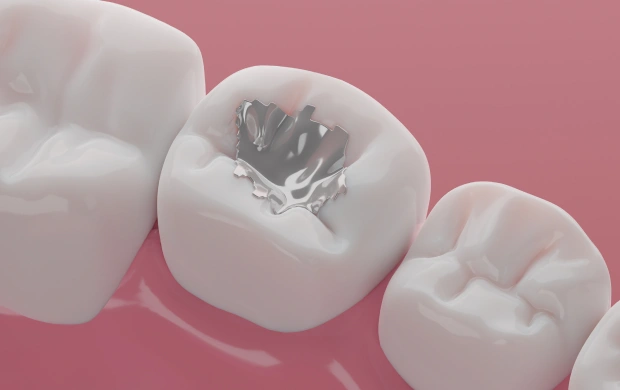
Amalgam, is known as a silver filling.
Amalgam is a combination of metals bound together with elemental mercury. The American Dental Association (ADA) and the U.S. Food and Drug Administration (FDA) currently list dental Amalgam as a safe and effective material for dental restoration.
Glance Dental uses only composite filling material at our location. We believe that composite restoration material is an excellent option for our patients. Learn more about why we use only composite material for dental fillings.
What Are the Steps Involved in the Dental Filling
First, your dentist will numb the area to be treated with a local anesthetic. Then, he or she will prepare the tooth by removing the decayed portion of the tooth or existing restorative materials. The size of the dental filling, or the number of tooth surfaces requiring treatment, will depend on the tooth and the extent of the damage or decay.
Once the tooth has been prepared and cleaned, your dentist will fill in the missing portion of the tooth structure with a composite restorative material. Your dentist will shape the material to match as closely as possible the former tooth structure. Your dentist may ask you to bite down to make sure your teeth fit together comfortably. Your dentist will adjust the shape of the filling until it is comfortable for you.
Dental Fillings for Children
Primary, or baby teeth, are generally softer and more porous than adult (permanent) teeth. This can make them more susceptible to decay and dental cavities. The dental filling procedure and recovery process for pediatric patients is very similar to that of adults. In some cases, Nitrous Oxide may be used to help a child feel more relaxed during the procedure. In this case, your child should not eat for 2 hours prior to the procedure.
Cost and Insurance Coverage for Dental fillings
The cost of dental fillings will vary depending on a variety of factors, including the size of the filling and the extent of the decay. Prior to your procedure, your dentist will review what treatment is needed, and our staff will provide you with information about any fees associated with the procedure, as well as options available to help make sure you receive the dental care you need in a way that fits into your budget.
If you have dental insurance, your coverage often includes preventative care, including regular exams and x-rays. It is important to stay up to date with your insurance coverage. Our staff is happy to review your coverage with you to ensure you are maximizing your insurance benefits while minimizing any out-of-pocket expenses.
Signs and Symptoms:
- How do I know if I might need fillings
Dental cavities can sometimes cause pain or sensitivity to hot or cold, but sometimes cavities may not cause pain. In some cases, it may be possible to see decay on the outside of the tooth, but in many cases, a dental cavity can only be detected through dental X-rays and examinations.
It is best to treat cavities as soon as they are diagnosed in order to have the best chance of saving the original tooth while preventing future dental emergencies which could result in the loss of the tooth. If any cavities are diagnosed and the issue is not extensive, your dentist will often recommend dental fillings to restore your tooth to its normal form and function. - Post-procedure care for dental fillings
Healing following a dental filling procedure is typically quick and easy. Your dentist will provide you with post-procedure instructions, which include avoiding very hot or cold food or beverages, as well as chewy or hard foods or snacks for a period of time.
Once the healing is complete, you should be able to return to the normal use of your teeth. However, it is important to remember that dental restorations need to be cared for and regularly maintained to make sure they are strong and intact.