1720 Milwaukee Ave, Glenview, IL - 60025


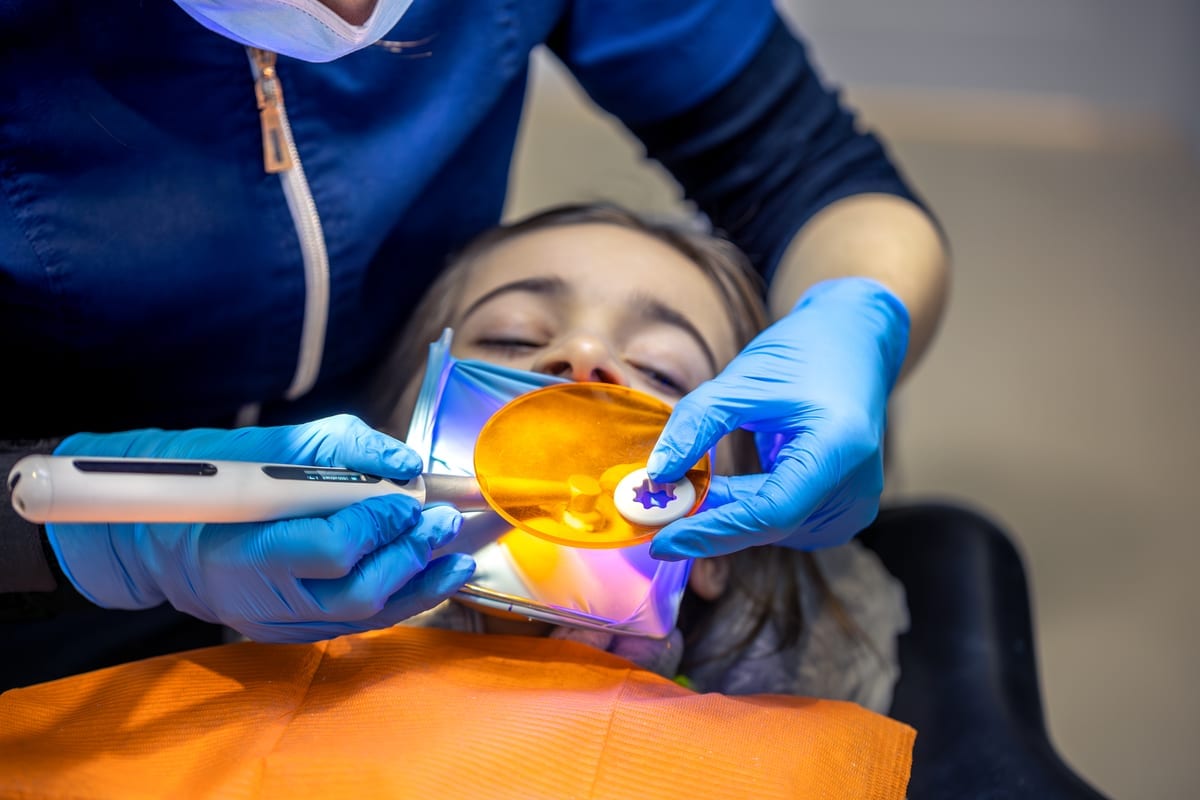
If you have a root canal scheduled, you probably have questions — and maybe a few fears. Understanding what you’ll actually feel during your root canal treatment in Glenview can make a huge difference. At Glance Dental Glenview, Dr. Joseph Akhikar guides patients through every step with care and clarity. This article walks you through the entire procedure so nothing catches you off guard.
Why Root Canals Have an Unfair Reputation
Most people fear root canals because of old stories from decades past. Modern dentistry has completely changed the experience. Today’s techniques, tools, and anesthetics make the procedure far more comfortable than most patients expect.
The biggest surprise for most patients? They feel very little during the treatment itself. The discomfort people associate with root canals is usually the pain before treatment — caused by the infected tooth. Once treatment begins, relief often follows quickly.
Dr. Akhikar and the Glance Dental team prioritize patient comfort above everything. Every step is explained before it happens. You are never left wondering what comes next.
What You’ll Actually Feel During Your Root Canal Treatment in Glenview: Step by Step
Let’s walk through the procedure from start to finish. Knowing each stage helps you feel in control throughout your appointment.
- Numbing the area: You receive a local anesthetic injection near the affected tooth. You may feel a brief pinch or pressure — this fades within seconds.
- Waiting for full numbness: Dr. Akhikar waits until the area is completely numb before proceeding. You should feel no sharp pain at all.
- Placing the rubber dam: A small rubber sheet isolates the tooth. You’ll feel it around your mouth but it causes no discomfort.
- Accessing the pulp: A small opening is made in the crown of the tooth. You may feel vibration or mild pressure — but not pain.
- Cleaning the canals: Tiny instruments remove infected pulp tissue. You might feel some pressure or subtle movement, but nothing sharp or painful.
- Sealing the tooth: The canals are filled and sealed. This feels similar to a routine filling — pressure and vibration, no pain.
Each stage is designed to keep you comfortable. If you feel anything sharp at any point, raise your hand. Dr. Akhikar will stop and address it immediately.
The Anesthetic: Your Best Friend in the Procedure
The local anesthetic is what makes modern root canals so manageable. It completely blocks nerve signals in the treated area. Most patients are genuinely surprised by how little they feel once it takes effect.
The injection itself is the most uncomfortable part for many people. Dr. Akhikar uses a topical numbing gel before the injection. This minimizes the brief sting even further.
Occasionally, a tooth with severe infection can be harder to numb completely. In these cases, Dr. Akhikar may use additional anesthetic or recommend treating the infection first. He never proceeds until you are fully comfortable. Your feedback guides every decision.
What You Might Feel After the Procedure
Once the anesthetic wears off, some mild soreness is normal. This typically lasts one to three days. Over-the-counter pain relievers are usually enough to manage it.
The treated area may feel tender when you bite down. This is your body’s natural healing response. It is completely temporary and should improve quickly each day.
Most patients return to normal activities the very next day. Eating soft foods for a day or two helps keep discomfort minimal. Dr. Akhikar provides clear aftercare instructions before you leave the office.
- Avoid chewing on the treated side for the first day
- Take any prescribed medications exactly as directed
- Apply a cold compress if swelling occurs in the first 24 hours
- Rinse gently with warm salt water to support healing
- Contact Glance Dental immediately if pain worsens after three days
How Root Canal Treatment Compares to Other Dental Procedures
Many patients say a root canal feels similar to having a large filling placed. The appointment is longer, but the sensations are not dramatically different. Pressure, vibration, and the sounds of dental instruments are the main experiences.
Compare that to procedures like Surgical Dentistry Glenview, which involves more tissue manipulation and a longer recovery. A root canal is actually less invasive than many people assume. The tooth remains in place, and healing is generally straightforward.
Some patients wonder how root canals compare to tooth extractions. Extraction involves removing the tooth entirely, which requires a longer healing process. When possible, saving a natural tooth through a root canal is almost always the better long-term option.
For patients who have had procedures like Wisdom Teeth Extraction Glenview, the recovery from a root canal will feel quite familiar. Most people find it even more manageable than they expected.
Tips to Prepare Yourself for a Comfortable Appointment
A little preparation goes a long way toward making your appointment easier. Here are practical steps you can take beforehand.
- Eat a light meal before your appointment so anesthesia doesn’t affect an empty stomach
- Avoid alcohol for 24 hours before your visit
- Let Dr. Akhikar know about any anxiety so the team can offer extra support
- Bring headphones and listen to music or a podcast during treatment
- Ask questions ahead of time — the team at Glance Dental welcomes them
You are not alone in feeling nervous. Dr. Akhikar’s team works with anxious patients every day. Open communication is the foundation of every appointment at Glance Dental Glenview.
Conclusion: You Can Do This — And You Won’t Be Alone
Root canals have earned a reputation they no longer deserve. With modern anesthetics, skilled technique, and a compassionate team, most patients in Glenview walk out saying it was far easier than they expected. Dr. Joseph Akhikar and the Glance Dental team are committed to making your experience comfortable, clear, and stress-free from the first moment to the last. Book Now to schedule your appointment with our team.
Frequently Asked Questions
Does a root canal hurt during the procedure?
Most patients feel little to no pain during the procedure thanks to local anesthesia. You may notice pressure or vibration, but sharp pain should not occur. If you feel discomfort at any point, Dr. Akhikar will stop and adjust immediately.
How long does a root canal appointment take at Glance Dental Glenview?
Most root canal appointments take between 60 and 90 minutes. Complex cases or severely curved canals may require a second visit. Dr. Akhikar will give you a realistic time estimate before treatment begins.
Will I need a crown after my root canal?
In most cases, yes. A dental crown is placed over the treated tooth to protect it and restore full function. Dr. Akhikar will discuss the next steps during your appointment and create a clear treatment plan for you.
How soon can I eat after a root canal?
You can eat once the numbness fully wears off, usually a few hours after the appointment. Stick to soft foods for the first day or two. Avoid chewing directly on the treated tooth until a permanent crown is placed.
What are the signs I might need a root canal?
Common signs include persistent tooth pain, sensitivity to hot or cold that lingers, swelling near a tooth, or a darkening tooth. If you experience any of these symptoms in Glenview, contact Glance Dental promptly for an evaluation.