1720 Milwaukee Ave, Glenview, IL - 60025


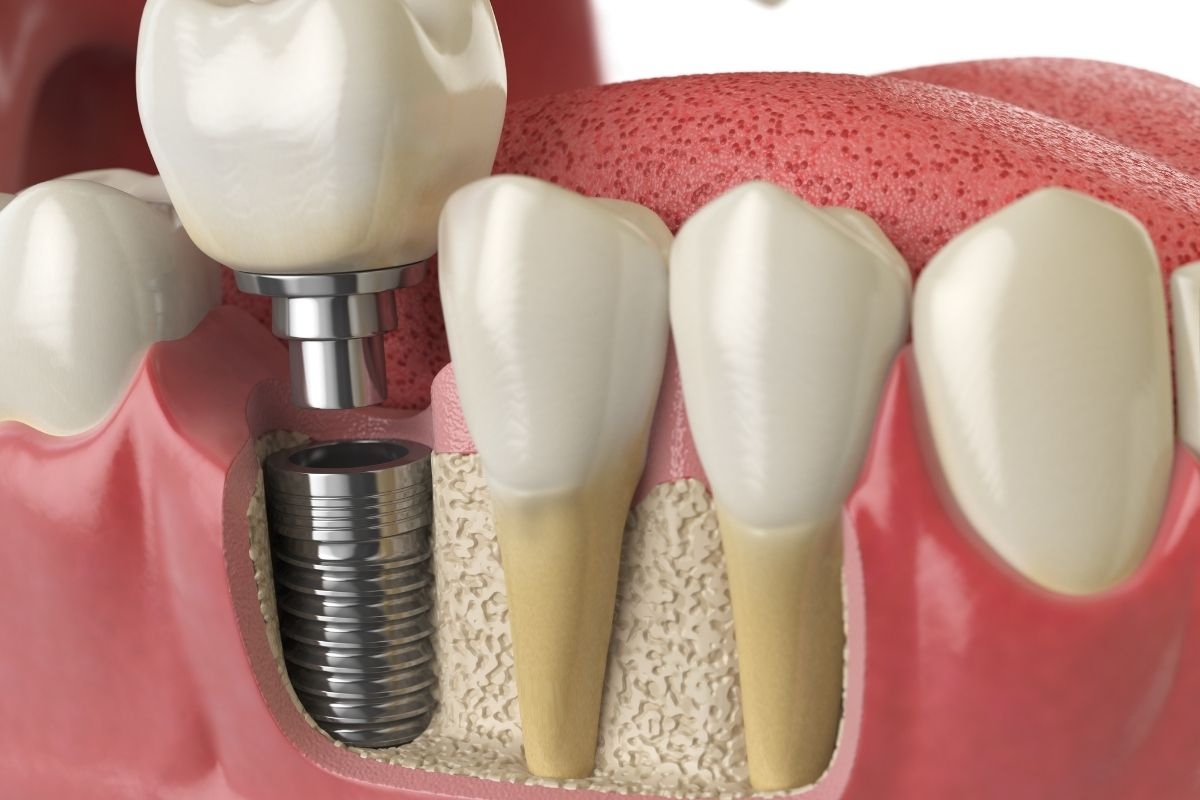
When you lose a tooth, it affects so much more than just your smile. It impacts basic day-to-day activities like speaking and chewing, making everyday tasks a challenge. It doesn’t matter if tooth loss occurred because of aging, injury, or decay; losing a tooth or many can impact the kinds of foods you’re able to eat and how clearly you can speak to others.
Thankfully, dental implants can restore your ability to speak clearly and chew. Unlike traditional dentures and bridges, implants provide a stable and secure replacement for a missing tooth. They function like natural teeth, allowing you to speak and chew comfortably once again. In this post, we will outline how dental implants can restore these essential functions and the quality of your life.
How Dental Implants Restore Chewing Function
Chewing is an important function in our daily lives, both for enjoyment and for good health. Missing teeth can make this an uncomfortable and frustrating experience. Dental implants restore chewing function in the following ways:
- Stable Foundation: The jawbone supports the implants, securing the artificial teeth firmly. This provides the chewing power and ability like your natural teeth.
- Improved Diet & Health: Eating foods you enjoy can significantly contribute to a healthier, more balanced diet.
- Prevents Jaw Strain: When a tooth is missing, the opposing teeth may overcompensate to compensate for the lost function, leading to jaw strain. Implants provide balance and a stable foundation, thus preventing such a problem.
- Permanent Solution: Dentures can be mobile, which can make them uncomfortable while eating, whereas dental implants in Glenview, IL, do not move as they are anchored in the bone.
The integrated bone and implant structure provides a secure foundation, giving the appearance and feel of real teeth and allowing for eating to resume without discomfort.
Restoring Speech with Dental Implants
A missing tooth can noticeably alter the sound of speech, making certain sounds unclear and difficult to say. The clear structure provided by dental implants will restore your natural speaking pattern in the following ways:
- Filling the Gaps: Dental implants fill the gaps left by lost teeth, restoring the mouth’s original structure and enabling better speech.
- Stable & Secure Fit: Unlike dentures, which may feel as if they are sliding out of place, dental implants provide a secure platform for speaking.
- Proper Tongue Placement: This allows you to shape the sound you are making against the artificial tooth.
- Confidence When Communicating: Speaking clearly with friends and family can be a huge confidence booster.
Through their natural feel, dental implants help restore the correct placement of the tongue and provide a stable base, so you can speak as clearly as before the tooth was lost.
Dental Implant Procedure: Step-by-Step
Getting dental implants involves several steps that help you retain your replacement teeth for the long term. Though the timeline will depend upon your individual need, here’s an outline of how the dental implant procedure works:
1. Initial Consultation
Your journey to getting implants starts with a consultation with an implant dentist. During this consultation, your dentist examines your oral health, takes X-rays, and discusses your goals to determine whether dental implants are right for you.
2. Treatment Plan and Preparation
If you are a candidate for implants, then your dentist prepares a treatment plan that’s perfect for you. The dentist may also need to address some pre-existing problems that could impact the success of the implant placement. Gum disease, lack of sufficient bone density, and so on.
3. Implant Placement Surgery
An operation is carried out to place the titanium implant into the jawbone. This surgery will be performed under local anesthesia, so you will experience minimal pain during the procedure. The implants are designed to fuse with your jawbone by a process called osseointegration.
4. Healing and Osseointegration
The process of Osseointegration takes several months for the implant to fuse with the bone.
5. Placement of Abutment and Crown
Once the integration of implants and jawbone is confirmed, an abutment (connector) is placed between the implant and the crown, and the custom-made crown is then placed on the abutment, providing you with a fully functioning and aesthetically pleasing new tooth.
Are Dental Implants Right for You?
Dental implants are a wonderful option for many people, but you need to find out whether you’re a good candidate, based on your dental health and needs. Let’s see how you can find out if dental implants are right for you:
- Good Health: Healthy teeth and gums can ensure faster, better integration of implants. However, with other diseases, it depends on your dentist, who will work with you to identify the right solution.
- Bone Structure: For a dental implant procedure to be successful, there has to be enough healthy bone in your jaw to provide the support the implant needs. In cases where the bone has been reabsorbed due to tooth loss, your dentist will graft bone on the jaw before proceeding with the implant.
- Oral Hygiene Practices: With proper care, implants will last a lifetime. Good oral health will include brushing and flossing of the implants every day, as well as attending regular dental check-ups with your dentist.
- Looking for a Permanent Replacement: Dental implants are designed to be permanent replacements that will never need to be replaced again, unlike bridges and dentures.
- You Don’t Smoke or Are Willing to Quit: Smoking will adversely affect the process of Osseointegration and can lead to implants not integrating properly and falling out.
With the above qualities, dental implants can be the right choice for you. To determine whether it is a suitable procedure for you, please discuss everything with your dentist.
Regain Your Smile With Dental Implants
Dental implants provide a permanent, aesthetic, and functional solution for missing teeth. If you have been experiencing difficulty with chewing or speaking, dental implants will help you regain your usual capabilities, enjoy the foods you like, and return to your everyday life.
Here at Glance Dental in Glenview, IL, we can help with your missing teeth issues. Contact us to schedule an appointment with our implant dentist today and find out whether you are a candidate for dental implants.
Questions People Ask About Dental Implants
1. What are dental implants?
Dental implants are artificial tooth roots placed in the jawbone to support replacement teeth. They provide a permanent solution for missing teeth, helping restore both speech and chewing function.
2. How long do dental implants last?
Dental implants are designed to last a lifetime with proper care. The implant itself may last for many years, while the crown or replacement tooth may need to be replaced after 10-15 years.
3. Is the dental implant procedure painful?
The dental implant procedure is done under local anesthesia, so you shouldn’t feel any pain during the surgery. Afterward, some discomfort and swelling may occur, but this can usually be managed with over-the-counter pain medication.
4. Can dental implants improve my ability to chew?
Yes, dental implants restore chewing function by providing a stable and durable foundation for replacement teeth. Unlike dentures, implants don’t shift or slip, allowing you to chew confidently.
5. Are dental implants a good solution for speech problems?
Dental implants can significantly improve speech by filling in gaps caused by missing teeth. By stabilizing the structure of your mouth, implants help you pronounce words clearly and naturally.
6. How do I care for my dental implants?
Caring for dental implants is similar to caring for natural teeth. Brush and floss regularly, visit your dentist for routine check-ups, and avoid chewing on hard objects to ensure the longevity of your implants.